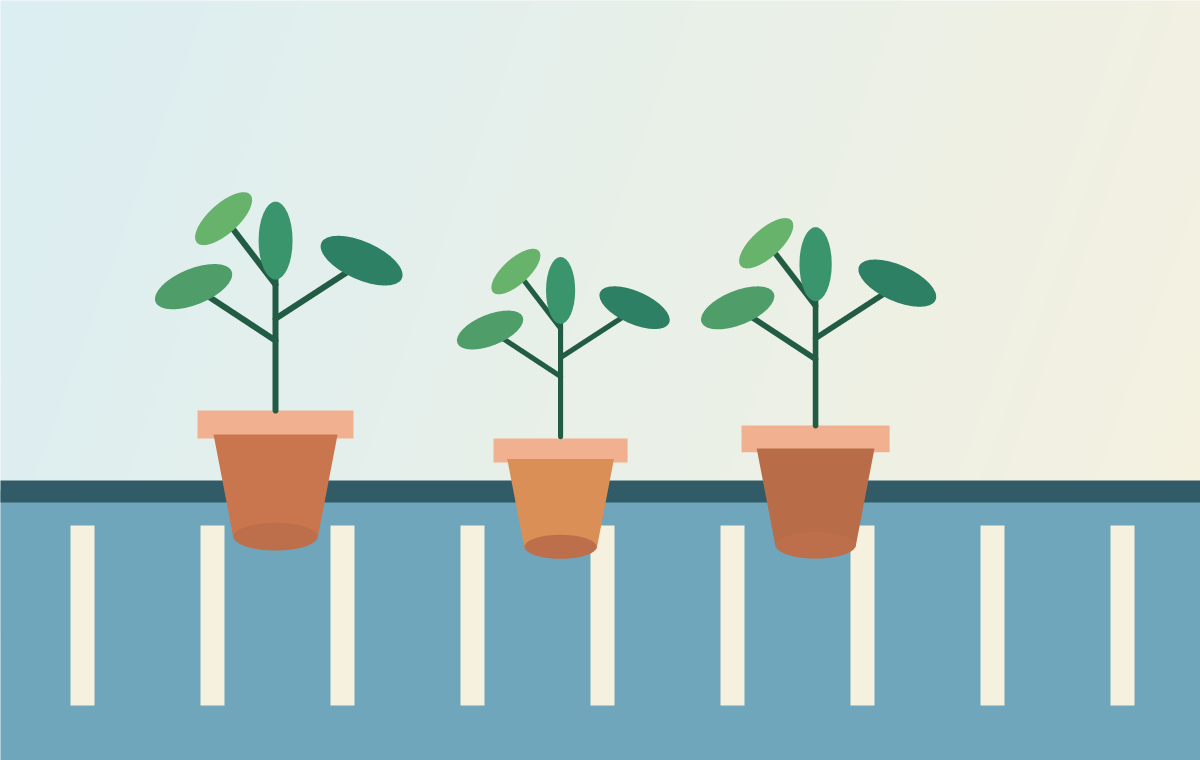
A balcony garden does not need to begin with a shopping list as long as a receipt. It begins with observing the space you already have: how much sun lands there, where wind gathers, how water drains, and how often you can realistically care for plants.
Start With Light, Not Plants
Most failed balcony gardens begin with plants that were chosen before the balcony was understood. Spend two or three days watching the light. Morning sun is gentler and suits herbs, leafy greens, and many flowering annuals. Harsh afternoon sun can work too, but containers dry faster and young leaves can scorch.
If your balcony receives less than three hours of direct light, choose shade-tolerant plants like mint, parsley, pothos, peace lily, or leafy ornamentals. If it receives four to six hours, herbs, microgreens, chilies, and compact tomatoes become possible.
Choose Containers That Match Your Routine
Terracotta looks beautiful but dries quickly. Plastic and fiber planters hold moisture longer and are lighter for rented apartments. Whatever you choose, drainage holes matter more than style. A pot without drainage is a bowl, and roots do not enjoy sitting in stale water.
For a first setup, pick three medium pots instead of twelve tiny ones. Larger containers buffer heat and missed watering better than small cups. A 10 to 12 inch pot is enough for basil, mint, marigold, or a compact chili plant.
Build a Simple Plant List
A reliable starter mix is one herb you cook with, one flowering plant for pollinators, and one leafy plant that forgives mistakes. For many homes, that means basil or mint, marigold, and money plant or pothos. This gives you quick wins without creating a maintenance burden.
Avoid buying every attractive plant on the first nursery trip. A small garden that grows well teaches you more than a crowded garden that constantly needs rescue.
Keep Water From Becoming a Problem
Balconies need drainage trays, but trays should not stay full. After watering, let excess water collect and empty it within an hour. This keeps roots healthier and prevents mosquitoes from breeding in standing water.
Water early in the morning when possible. The plant gets moisture before the day warms up, and wet leaves have time to dry. In hot weather, check soil with a finger instead of following a strict calendar.
Quick Checklist
- Observe sunlight for at least two days.
- Use pots with drainage holes and trays.
- Begin with three to five plants.
- Keep a small watering can near the balcony door.
Frequently Asked Questions
How much weight can a balcony garden add?
Wet soil is much heavier than dry potting mix. Keep large containers near structural walls, spread pots instead of clustering them in one corner, and check building rules before adding raised beds or very large planters.
What should I do on a windy balcony?
Use heavier low-profile pots, secure railing planters, and place delicate plants behind a screen or sturdier plants. Wind increases water loss, so check moisture more often without assuming every plant needs daily watering.
Can vegetables grow on a small balcony?
Yes, when light and container size are suitable. Leafy greens, radish, chilies, bush beans, and compact tomatoes are practical choices. Start with one edible crop and learn its watering pattern before expanding.